Bubble Coffee Font Brings Warm Handmade Character to Product Labels and Packaging
The candle was finished. The soy wax had set perfectly, the wick was trimmed, and the amber glass vessel looked exactly as I had imagined. But when I pulled up my label design file, nothing felt right. The clean sans serif I had been using for months suddenly felt cold against the cozy, lavender-and-vanilla mood I wanted to convey. That is when I remembered Bubble Coffee sitting in my font folder, waiting for the right project. I typed out "Cozy Nights" and watched the rounded, gentle letters transform the entire feel of the label. Within minutes, the mockup looked like something I would actually want to buy from a small shop. That is the moment I understood what a display font can do for a handmade product.
What Makes Bubble Coffee Such a Charming Display Font
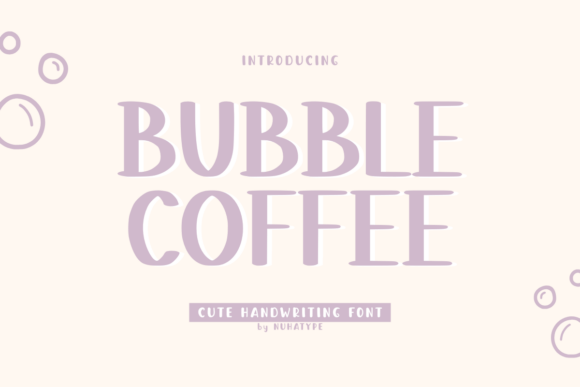
Bubble Coffee is a cute handwritten display font that feels like it was drawn with a favorite pen on a quiet afternoon. The letters have rounded edges that soften every word, and the slightly irregular height gives the text a natural, unforced rhythm. There is nothing stiff or mechanical about it. Each character carries a warmth that makes the text feel personal, almost like a note left on a kitchen counter. For a handmade seller, that quality is gold. When customers see a label or a tag set in Bubble Coffee, they do not read the text so much as they feel it. The font communicates care, simplicity, and a gentle kind of charm that is hard to find in more polished typefaces.
This is not a font for long paragraphs or dense blocks of text. Bubble Coffee is a display font through and through, and it shines brightest in short phrases, single words, names, titles, and decorative wording. It is the kind of typeface that draws the eye and holds it there long enough for the message to sink in. For a product maker, that means your best work gets the attention it deserves.
Bubble Coffee on Candle Labels and Product Tags
My first real test with Bubble Coffee was on a batch of small batch candles I was preparing for a local market. I printed a few test labels with scent names like "Honeyed Pear" and "Mountain Pine." The font handled the longer scent names surprisingly well, keeping the text readable even at a modest size. I paired Bubble Coffee with a simple sans serif underneath for the scent notes, and the combination felt balanced without being busy. The candle labels looked like they belonged in a boutique, not a basement workshop.
Product tags are another place where Bubble Coffee feels right at home. I make small fabric tags for linen napkins and reusable gift wraps, and the font adds a handmade touch that machine-printed tags often lack. The letters are soft enough to feel friendly but clear enough to remain legible at tag sizes. I recommend testing the font at your actual print size before committing to a large batch, because the rounded edges can start to blur if the text is scaled too small. For most label applications, a point size of 18 to 24 works beautifully. For tiny tags, try 14 or 16 points and see how the letters hold up.
Greeting Cards and Handmade Stationery
Greeting cards are one of the easiest products to elevate with the right display font. I designed a small set of birthday cards using Bubble Coffee for the main greeting, something simple like "Happy Everything" or "You Are Loved." The font gave each card a sweet, heartfelt quality that felt right for a handwritten note. I kept the inside blank so customers could add their own message, but the front cover did all the heavy lifting. The font created an emotional connection before the card was even opened.
For wedding stationery, Bubble Coffee works well for couple names, welcome signs, and table number cards. It has a romantic but not overly formal feel, which makes it a good fit for outdoor weddings, rustic barn receptions, and intimate elopements. I designed a simple welcome board mockup for a friend who was getting married, and the font made the words feel like they had been written by the couple themselves. That personal touch is exactly what couples look for when they choose handmade stationery over mass produced options.
Printable Wall Art and Digital Downloads
Printable wall art is a popular category for Etsy sellers and creative entrepreneurs, and Bubble Coffee is a strong candidate for quote designs, motivational phrases, and seasonal decor. I put together a fall printable featuring the words "Gather Here" and framed it in a simple oval border. The font gave the print a cozy, farmhouse feel that would look natural in a kitchen or entryway. The rounded letters softened the message, making it feel like an invitation rather than a command.
For digital templates, Bubble Coffee reads well in preview images and mockups, which is important for attracting customers scrolling through search results. The font has enough visual personality to stand out in a thumbnail, but it does not overwhelm the design. I have used it in product listing images for printable planners, and the font helps convey the warm, approachable tone that buyers looking for handmade style digital assets tend to appreciate.
Stickers, Tote Bags, and Merchandise
Sticker sheets are a fun testing ground for any display font. I cut a few Bubble Coffee phrases on my cutting machine, and the font performed well with both kiss cut and die cut settings. The rounded edges do not have sharp corners that catch or peel, which is a practical advantage for sticker makers. I tested the font on matte white vinyl and clear adhesive paper, and both versions held the letter shapes cleanly. For small stickers, I recommend keeping the phrase to two or three words so the font has room to breathe.
Tote bags and mugs are another natural fit. I heat pressed a simple design onto a canvas tote using the word "Enjoy" in Bubble Coffee, and the result looked like a thoughtful gift rather than a generic print. The font's handwritten quality made the bag feel personal, as if each word had been drawn by hand. For mugs, the font works well for names, short phrases, and seasonal messages. I have seen it used on "Hello Fall" mugs and "Warm Hugs" ceramic cups, and the font always adds a layer of coziness that plain block letters cannot match.
Readability Advice for Cutting Machines and Small Prints
If you are using Bubble Coffee with a cutting machine, whether a Cricut, Silhouette, or similar tool, there are a few things to keep in mind. The font's slightly irregular height means some letters will sit a little higher or lower than others, which is part of its charm. But when you are cutting small text, that irregularity can cause letters to overlap or lose definition. I recommend increasing the letter spacing slightly in your design software before sending the file to the cutting mat. A small adjustment of 0.5 to 1 millimeter can make a noticeable difference in how cleanly the letters cut.
For printed products like stickers, labels, and cards, test your design at the final size before you print a full run. Bubble Coffee is readable at modest sizes, but it is a display font first, so it performs best when the text is given enough space to show its character. If you are printing a small product tag, keep the phrase short and let the font do the work. If you are designing a larger sign or a wall print, you can afford to use longer phrases, but the font will still look best when the text is broken into short lines.
Font Pairing Ideas for Bubble Coffee
Like many handwritten display fonts, Bubble Coffee pairs well with cleaner typefaces that provide contrast and balance. A simple sans serif font works nicely for secondary text, such as ingredient lists, scent notes, or care instructions on a product label. The clean lines of the sans serif let Bubble Coffee take center stage without competing for attention. I have used a light weight sans serif for fine print on candle labels, and the combination felt polished without being fussy.
A simple serif font can also work well, especially for wedding stationery or formal printed pieces. The contrast between the rounded handwritten letters and the structured serif shapes creates a pleasing tension that feels intentional. For a more casual look, try pairing Bubble Coffee with another handwritten font that has a different weight or texture. Just be careful not to use two script fonts together, as they can become hard to read. A bold display font can also complement Bubble Coffee for headers and subheadings, but keep the bold font in a supporting role so the overall design stays balanced.
Licensing and File Formats to Check Before You Create
Before you start designing products for sale, take a moment to review the licensing terms for Bubble Coffee. Commercial fonts often come with different license types, and the terms can affect how you use the font on physical products, digital downloads, templates, printables, and merchandise. Some licenses cover a set number of sales, while others allow unlimited use across your entire product line. Make sure you understand whether the license includes commercial use for physical items, digital goods, or both.
Check the file formats included with your purchase. Most display fonts come with OTF and TTF files, and some include web font formats for digital use. If you plan to use Bubble Coffee in cutting machine software, SVG-style designs, or print on demand platforms, confirm that the font works with your setup. Multilingual support is another detail worth checking, especially if you design products for a diverse audience. Accented characters and special symbols can make or break a design for international customers.
Bubble Coffee is a font that rewards careful attention to these details. When you take the time to understand what it offers and how it behaves across different materials and sizes, you can create products that feel genuinely warm and handmade. The font does not need to be forced into a design. It works best when you let it be itself, rounded, gentle, and full of character. That is the kind of font that makes a product feel like it was made by hand, because in a way, it was.